


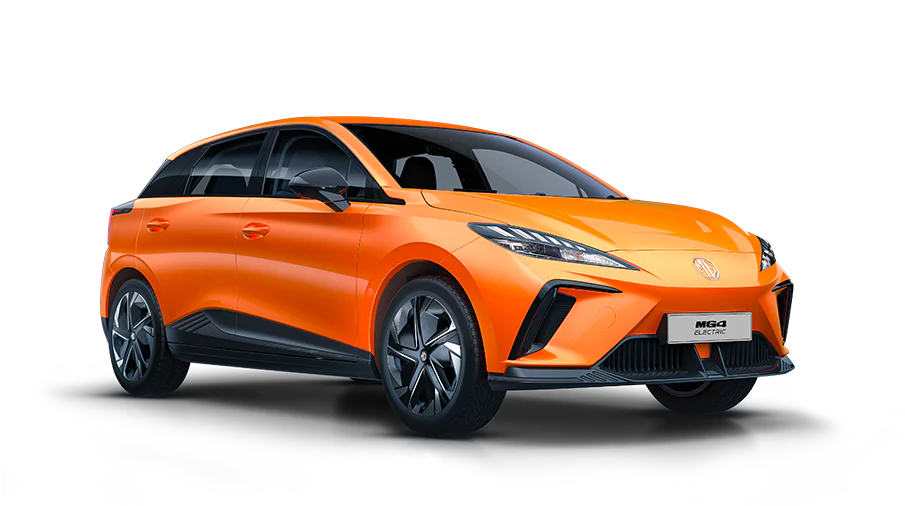
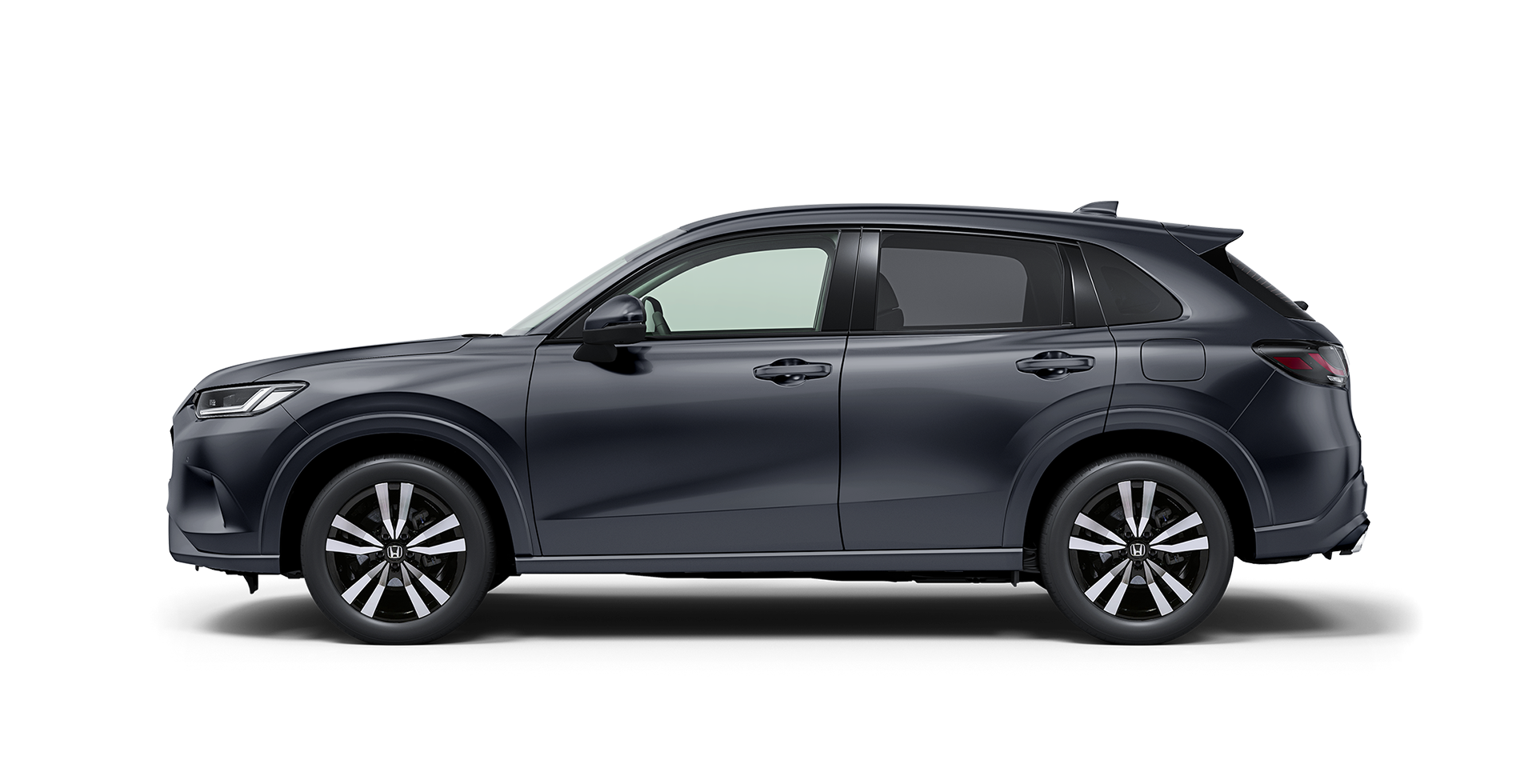
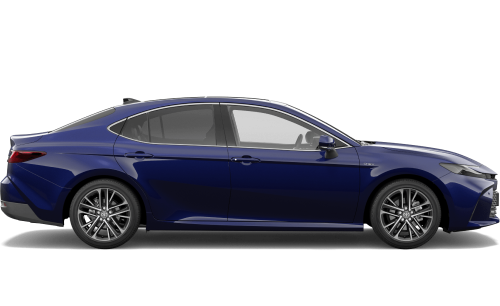





Lower Emissions
Save On Petrol
Lower Maintenance Costs
Lower Operating Costs
Benefits of Buying Electric

Government Incentives -The Australian Government offers a $3,000 rebate, tax breaks, and stamp duty benefits for purchasing electric vehicles (EVs). Eligibility criteria for these incentives vary by state. New South Wales: Rebate for EVs priced under $68,750. Queensland: Rebate for EVs priced under $58,000. Victoria: Rebate for EVs priced under $68,740. Please check your State Government's website for detailed eligibility requirements before purchasing.
Low Running Costs - Electric and hybrid cars are cheaper to run and maintain. While electricity costs may vary, they are significantly lower than fuel costs, especially if you have solar power. EV owners can enjoy substantial fuel cost savings, and PHEV and hybrid owners also benefit from reduced fuel costs. Additionally, electric vehicles have fewer moving parts, leading to lower service and maintenance costs. Some insurance companies may offer lower premiums as incentives for buying electric vehicles.

Environmental Benefits - Electric, PHEV, and hybrid vehicles offer numerous environmental benefits compared to standard petrol or diesel vehicles. They do not produce harmful exhaust emissions and reduce greenhouse gases, helping combat climate change. Their nearly silent engines minimise noise pollution, providing a calm driving experience.
Electric & Hybrid Types Explained
When it comes to types of electric vehicles, the choices people can buy go far beyond those powered by batteries alone. In today's ever-growing electric car market, car buyers can find all types, including options that rely on fuel cells or combine a gas engine in hybrid and plug-in hybrids. When talking about EVs, we generally refer to three main types of electric vehicles: hybrid electric vehicles (HEV), plug-in hybrid electric vehicles (PHEV) and battery electric vehicles (BEV).
Mild Hybrid
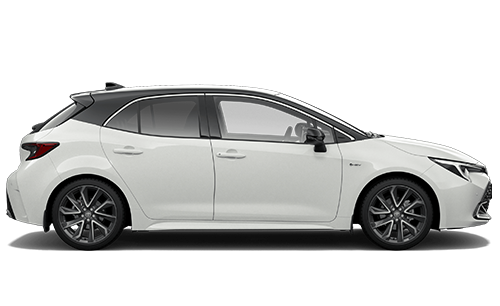
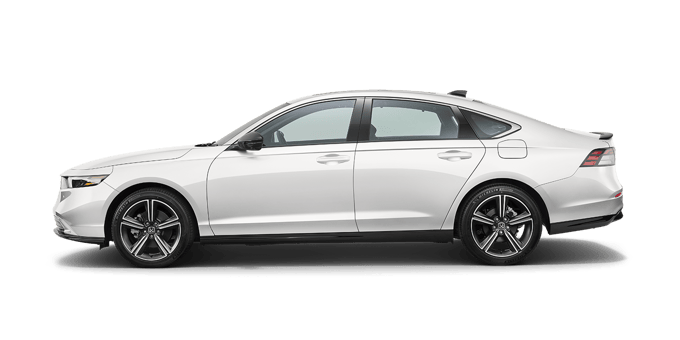
These do not plug in. Hybrid electric vehicles are powered by an internal combustion engine and one or more electric motors, which uses energy stored in batteries. This gives you longer range. The car’s computer manages operations between the two motors and uses different techniques to save fuel throughout your day-to-day drive.

Plug-in Hybrid
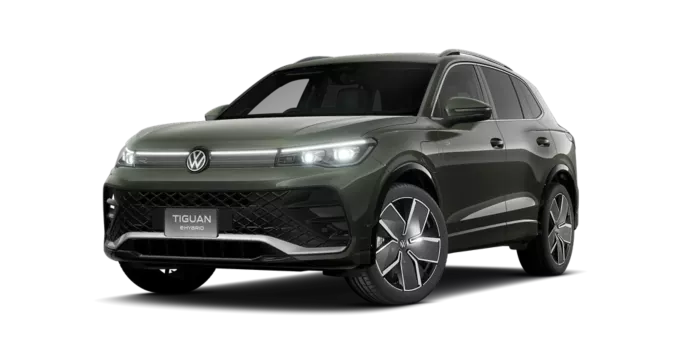
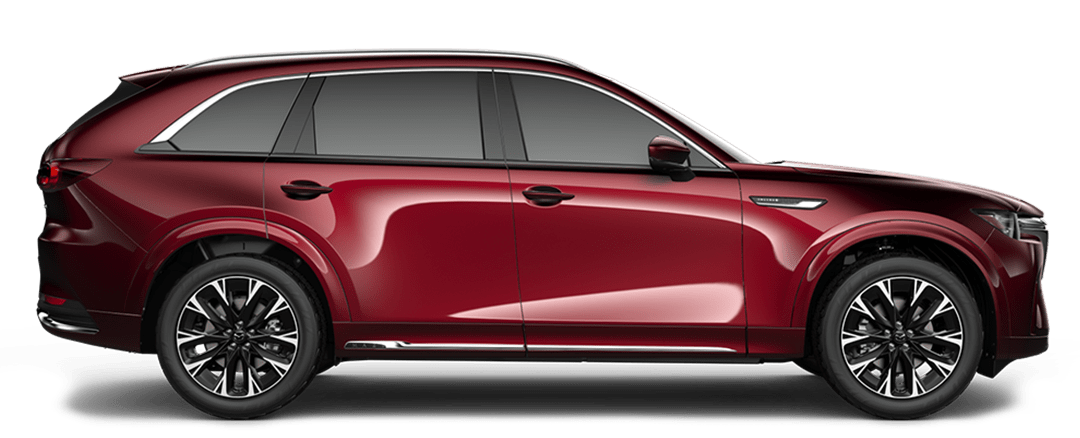
PHEVs use both petrol and electrical energy to power the car. Depending on your model, some favour petrol energy over electrical energy and some favour electric energy over petrol. The only way to increase a PHEVs’ battery charge is to plug it in.
Electric
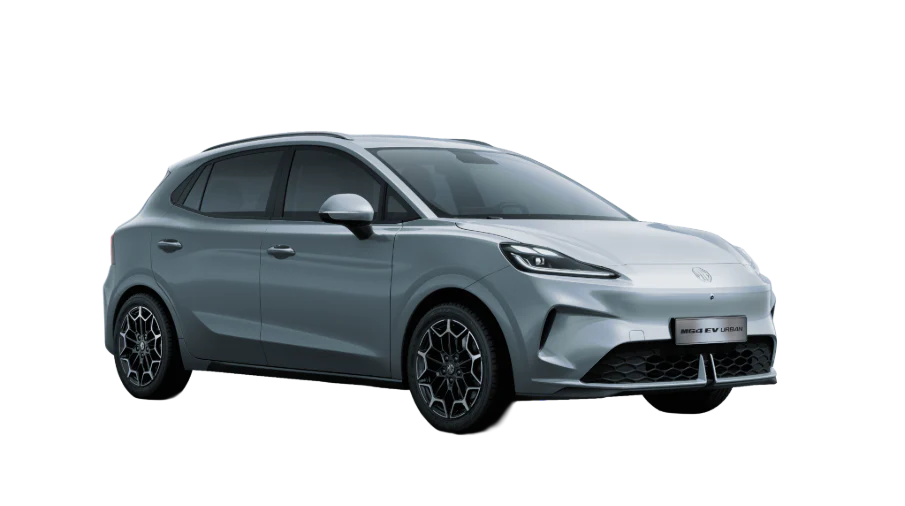
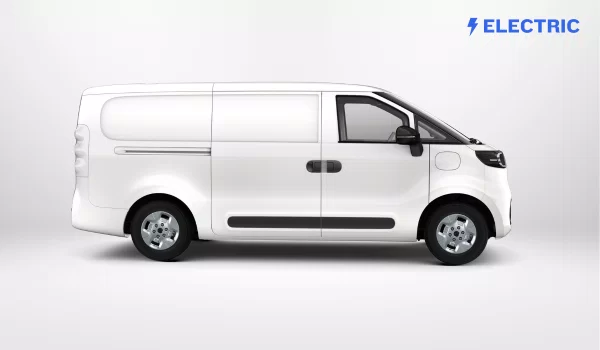
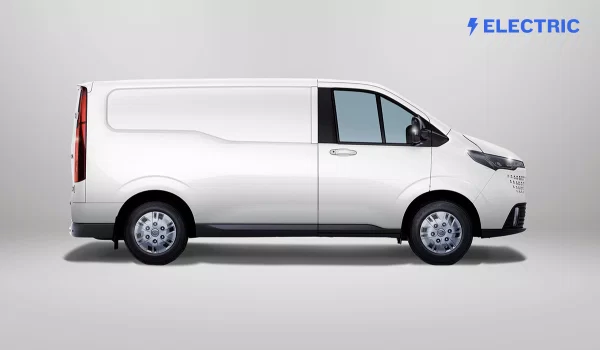
Like their plug-in hybrid cousins, these cars need to be plugged in to receive electrical energy and charge the battery. They have no internal combustion engine and are the most eco-friendly option because they produce zero drive-time C02 emissions.